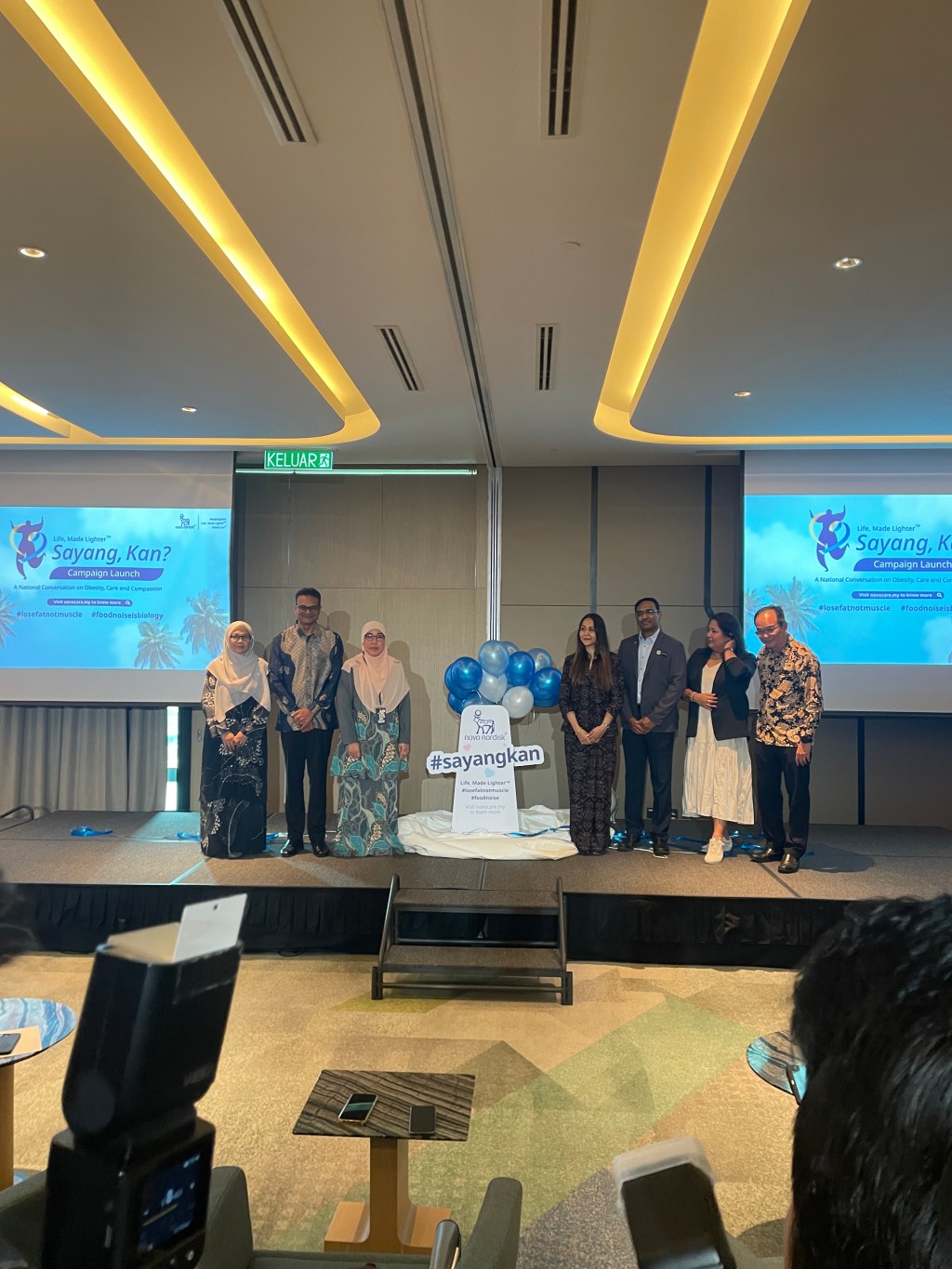
Take care of yourself kalau betul Sayang, Kan? Focusing on care for obesity, “Sayang, Kan?” is the tagline for a nationwide public awareness campaign recently launched by Novo Nordisk Malaysia in collaboration with the Ministry of Health Malaysia (MOH). The campaign, which comes at a time when more than half of adult Malaysians are either overweight or obese, aims to encourage a more compassionate and science-based understanding of obesity, highlighting factors such as biology, food noise, stigma and the importance of seeking care as early as possible. The event was officiated by Dr Noraryana Hassan, Director of Non-Communicable Disease (NCD) Division, Ministry of Health Malaysia.
Obesity: Not Just A Discipline Issue
During the launch, a panel of experts discussed obesity as a complex chronic disease instead of just as a condition brought about by ill discipline. The panel featured Dato’ Dr Noor Lita Adam – Consultant Endocrinologist and Deputy Head of the Endocrine Subspeciality, Ministry of Health Malaysia; Dr Sivarajan Ramasamy – Public Health Medicine Specialist Head of Cardiorenal Metabolic Control Sector Disease Control Division, Ministry of Health; Dr Reynu Rajan, Consultant Upper Gastrointestinal Surgeon; and celebrity chef, Ili Sulaiman, who is living with obesity and actively advocating for healthy living and a wellness lifestyle for those in similar situations.
Among the main points discussed is how obesity is not just a discipline issue. This is especially so in Malaysia where we have food noise, which has been defined as “heightened and/or persistent manifestations of food cue reactivity, often leading to food-related intrusive thoughts and maladaptive eating behaviors” by health and eating behaviour researcher, Daisuke Hayashi and colleagues.
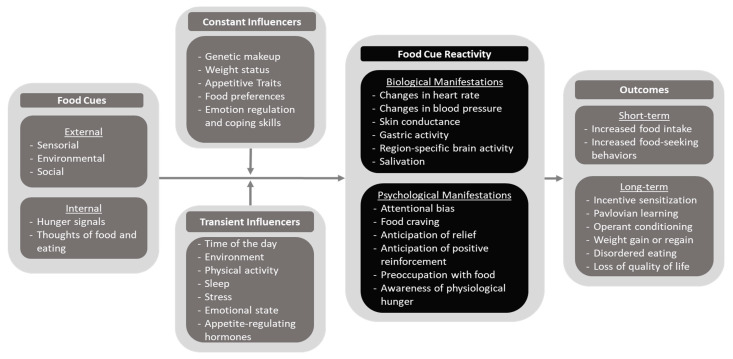
What is important to note here is that it is not just about judging bodies, not about blame and not about telling people to try harder. Follow up research based on the food cue reactivity model asserts that psychology plays a big role for those trying to manage their weight in relation to food intake. The research concludes that food noise is potentially a clinically relevant element for overweight individuals trying to manage their weight, based on numerous patient experiences.
With this in mind, this is why Novo Nordisk – which funded part of the above research by Dhurandar, et al, has teamed up with the MOH to highight the issue, not just for individuals trying to get their weight under control, but also for the benefit of others around the individual so that they may get the proper support they need to live and eat better and healthier.
“There are big changes at how we look at prevention and rehab. We now see it as a disease. Obesity is a driver for a lot of the chronic diseases, but now we recognise obesity as a chronic disease,” said Dr Sivarajan Ramasamy, during the panel talk.
“Now healthcare screenings include a focus to detect individuals with obesity,” Dr Siva continues. “Once identified, we will provide treatment consisting of customised interventions and therapy including lifestyle therapy, diet, prescription and mental health status to adress the stigma as well.”
According to Dr Siva, the MOH is now looking at holistic treatments which may include bariatric surgery. This is in the wake of reports that based on the World Health Organization (WHO) classification, more than 50% of Malaysians are living with obesity, totalling around 7 million people.
Thus, the focus is now on obesity prevention where one of the initiatives taken by the MOH and the government of Malaysia is the improvement on creating more healthful environments such as in workplaces, schools and communities to help create healthier choices around indivisuals such as in canteens, cafeterias and other spaces.
This might help create a safer space for obesity patients and make them feel more welcome, and thus more willing to get help earlier on. As mentioned by Dr Noor Lita, many patients do not come in early to get help and when they finally see a doctor by the end stage, they have all the problems that are more difficult to treat.
An individual’s habits also play a role in furthering obesity as late night habits or shift work intervenes with the body’s biological function. “It’s nit just about food and exercise,” says Dr Noor Lita. “We have our brains controlling the appetite and mediated by our hormones. The stress hormone produces cortisol, thus increasing appetite and leading to obesity.”
Dr Noor Lita adds that sleep deprivation also has a direct link to insulin deprivation, contributing to metabolic imbalance. Physiologically, we would have high cortisol around 4am to 5am to prepare us for work, while cortisol declines at night as our body is preparing for rest. This illustrates how one’s life habits or routines might have an effect on obesity in an individual.
In order to effectively treat diabetes, Dr Noor Lita hopes that anyone suffering from obesity or even unusual weight gain goes to a clinic early in order to ascertain the cause and start suitable treatment.
“Before, we used to focus only on the glucose factor (that leads to obesity), but now we factor in other possible causes, “say Dr Noor Lita. “We screen for hormonal imbalance such as thryroid disfunction or sleep apnea. We want to reduce complications as early as possible.”
Meanwhile, Ili Sulaiman has this to say, “As Malaysians, we often comment on the way they look when greeting someone. But it hits people differently. Especially when you’re struggling with it, for example due to hormonal issues, PCOS (Polycystic Ovary Syndrome, insulin imbalance, or any other conditions.”
“And when you have so many things going on and you’re doing your best, hope we can humanise the conversation instead of focusing on the medical side,” Ili continues.
Asked about how to respond when people want fast solutions, Ili says, “I make them feel like I’m a safe space and try to coax some kind of background story. Then I tell them: don’t overdo one thing – just change one thing today that might impact your health, keep a diary and note down what you did, what you ate, who you met and see how you feel. For example, you might meet a certain person and feel like having dessert later, as your cortisol spikes and you feel the need to bring it down by eating something sweet.”
“I give them a list of questions to ask a doctor,” says Ili. “Talking about food noise, it’s not just your internal dialogue, and not just about society but just listen to your body that will tell you what you need to eat.”
Ili says that when she posts about obesity-related topics on her social media, sometimes the post gathers no comment, but she will be flooded with Direct Messages on the app. This is also what happens to Dr Reynu, as a medical influencer herself. “This shows the stigma in asking for help,” says Dr Reynu, who also wants patients to come in and adress the problem as soon as possible, because coming in late during more progressive stages of obesity may lead to more complications.
How Effective Are Pills Like Ozempyc In Managing Obesity?
Touching on the subject of slimming pills, Ili warns that it’s not just a one pill fit all. She also cautions Malaysians to be more conscious of the language used when bringing up the subject, as it’s not just matter of over-eating.
When trying to treat obesity, Dr Noor Lita emphasise the need to discuss on what options are available, what your objectives are, your own views and beliefs, and what other conditions you have. For example, a gynaecologist might prescribe the pill for menstrual “control” but it might increase weight.
To effectively tackle the national obesity problem, Dr Siva mentions that we have to redesign our environment so that’s what the MOH is doing now. “It’s not easy but necessary,” says Dr Siva, saying that initiatives by MOH and partners have already identified certain locations such as workspace and schools, and launched campaigns such as “My Kurang Gula Garam”, which features a website with recipes for cheaper healthful food to make at home. So we don’t just tell them to change but give them options to change.”
“It’s good if the workplace can offer choices that are healthier yet affordable,” says Dr Siva, and adding, “Principals play a role at school canteens.”
As Dr Reynu puts it, “#HealthySchoolFood Malaysia should be a hashtag.” She adds her suggestions that “Tender specs for canteen operations should feature a menu that is 100% healthful – there shouldn’t be unhealthy food on the side, for example ice cream.”
She adds that there should 12-16 menus (dishes) per month and that this should be the new norm. Ili also adds that cooking our own food is an option. Speaking of new norms, Ili also says that should extend to how you take care of yourself, “Normalise healthcare and wellness like how you normalise going to the supermarket to buy groceries,” Ili calls. “Normalise doing your blood work and health test and screenings.”
“Obesity is a complex disease,” says Dr Siva. “The main thing is the “whole of society” approach plays a very important role in terms of prevention – and we need to start early, and start in the nuclear family as well.”
“It is every Malaysian’s role to decrease obesity. We also increased capacity to train healthcare workers on how to speak to clients that come in with obesity problem,” Dr Siva continued. For Dr Noor Lite early detection is key, “Come earlier when you have an obesity issue, rather than at the end stages of a chronic disease,” she reminds the audience near the end of the forum.
The event also featured two interactive boards that explained what food noise is and what really matters when it comes to losing weight – further demonstrating why obesity presents different challenges to different people.
Interestingly, the food served at the event featured food labels that included caloric value for each serving – a great way to demonstrate healthy eating without compromising on taste and deliciousness.