
“When life gives you lemons, make lemonade.”
The ever-popular lemon philosophy – or something similar based on different cultures – was probably the positivity that many entrepreneurial types reminded themselves of in the face of difficulty or setbacks, especially in the past four years. It was, indeed, an attitude that was necessary during the pandemic, right from the start circa 2020. In just a few months, many companies folded and had to lay off their entire workforce.
One of those affected was Lina Esa, who at that time was Editor of CLEO Malaysia, a women’s lifestyle magazine popular with the younger millennial demographic. The news of the closure of Blu Inc Media, the publisher of CLEO Malaysia and numerous other popular magazines, was a shock to everyone – not least the Blu Inc staff themselves, as they found out about it at the same time as the general public – either when they opened up their work email account for the very last time that day, or saw the news update by other media companies already sharing the press release, or even getting asked about it by friends and family via Whatsapp. The publishing company’s staff more or less knew the possibility of it happening – looking at the media landscape during the pandemic, but it was understandably still a shocker for them nonetheless.
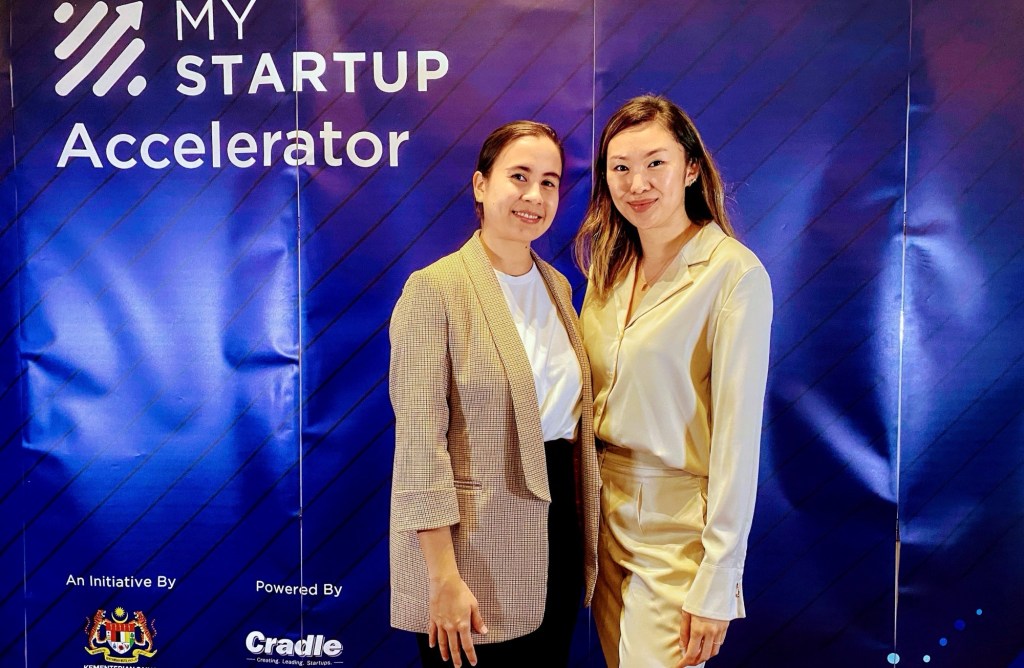
Of course, life goes on. For Lina, if the layoff was a sour lemon, Cult Creative was the sweet, sweet lemonade she made, along with partners Shermaine Wong and the late Manisha Jagan. However, it wasn’t without its pits, but these strong ladies managed to bounce back from setbacks and personal loss to become the creator economy wunderkind it is today.
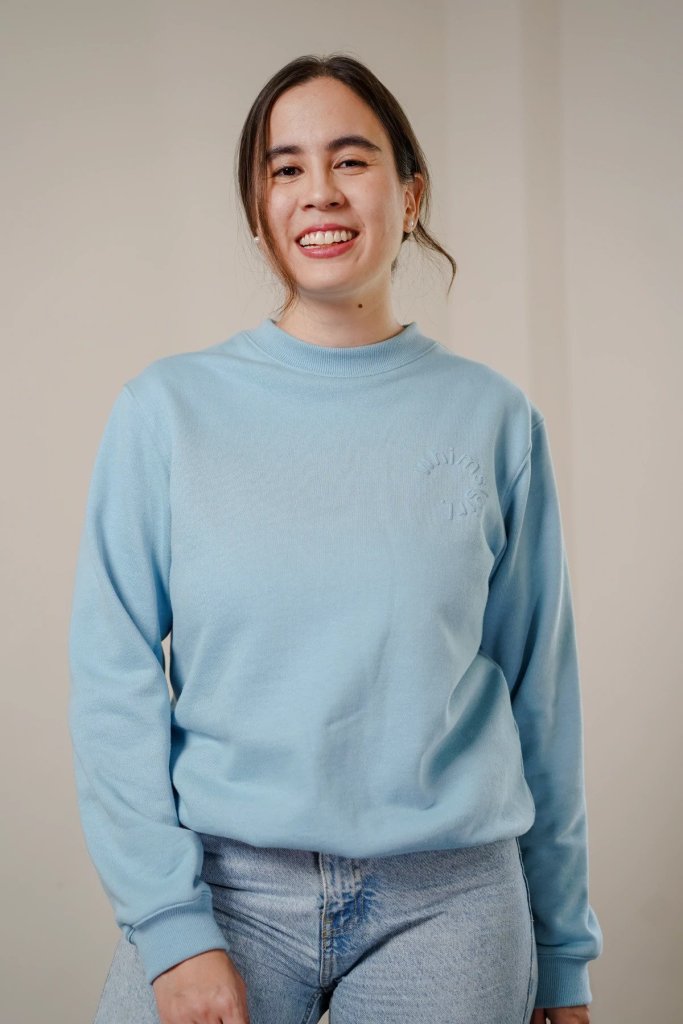
Lina shares with MWAH on their bumpy start, the pivot that was necessary to stay sustainable, and how creator generated content saved their company.
Building A Creator Generated Content Ecosystem
MWAH: Hi, Lina. Please share a bit about what Cult Creative does and how Cult Creative came about.
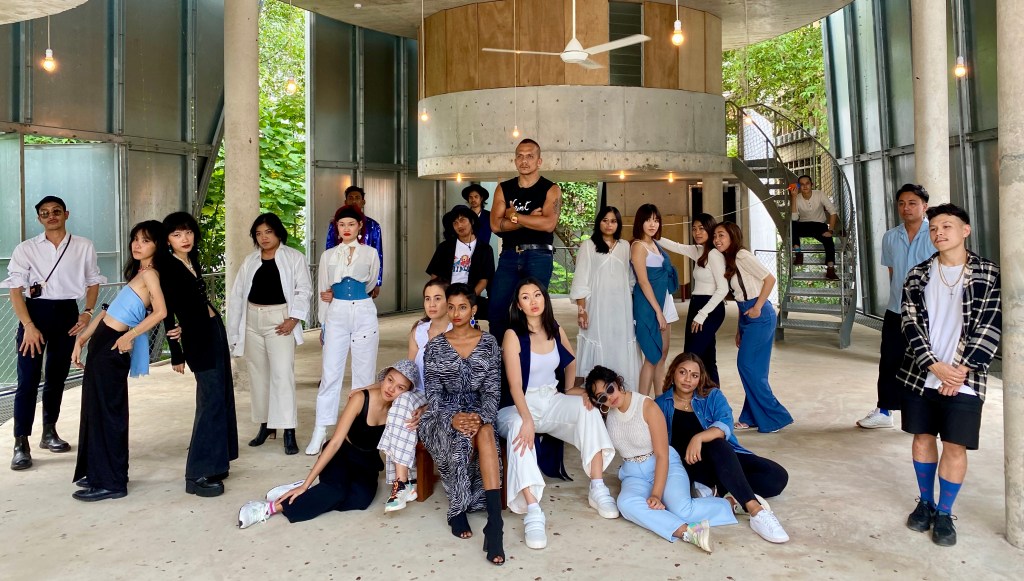
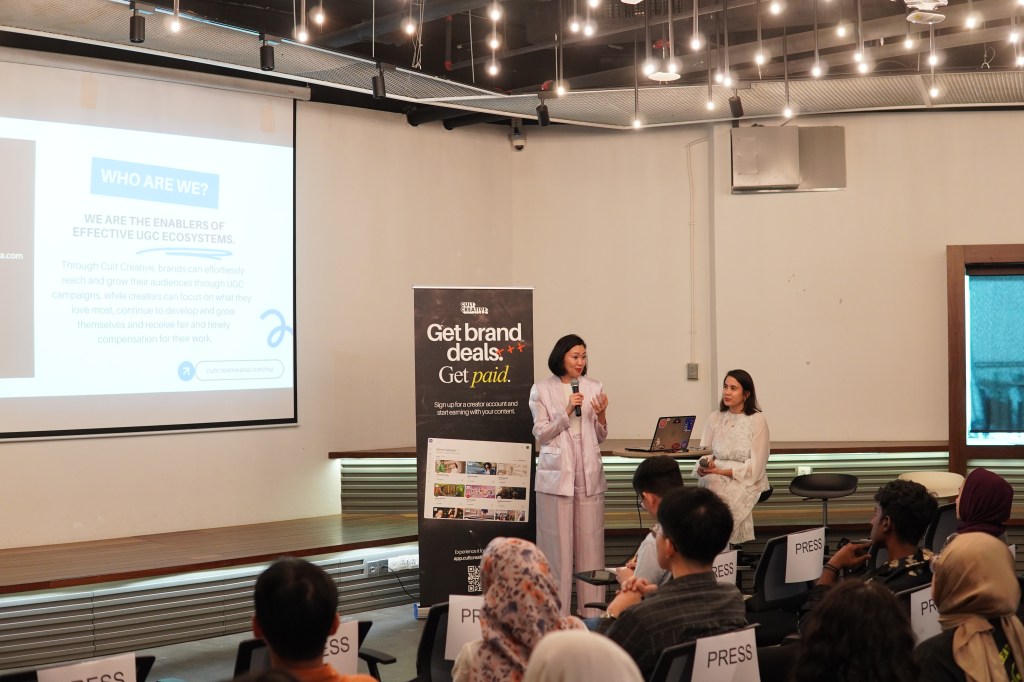
Lina Esa: We are a creator marketing platform in South East Asia, connecting creators to brands. To be more precise, we are a Creator Generated Content ecosystem where we empower creators and also clients and brands through collaboration. We use the term “creator” rather than “influencer” because it’s similar to influencer marketing but by nano-micro content creators to showcase the brands, products, services, and offerings in a way that we think is better for the brands. Even though the creators don’t have that larger following they do put more effort into storytelling, video quality and getting your message across. So the focus is more on the creativity side, not so much on the influence. With this, because it can generate authentic, relatable content coming from our creators, it does have results and impact. Basically, it’s UGC (user-generated content) but we call it Creator Generated Content as it is slightly different from what we all currently understand as UGC, which has no direct collaboration with the brands featured.
As to how we came about – I had already known Shermaine Wong, Cult Creative’s CEO, back in the day when I was a sub-editor at the Malaysian Women’s Weekly while Shermaine was doing sales for sister magazine Harper’s Bazaar Malaysia. We later met our other co-founder, the late Manisha Jagan, who was working in Public Relations at industry events.
MWAH: Cult Creative essentially came out as a response to what was happening during the pandemic. As we understand, it started as a different kind of platform back then. What was the experience running a start-up during that time and how did the pivot to the creator marketing ecosystem happen?
Lina: We started out during the pandemic in 2020 where, following layoffs throughout the media and advertising industries, we decided we wanted to help empower creatives at large. This included creative directors, writers, photographers, graphic designers and such. So we created a job platform. First, we had an app for a community of creatives and then we had a job platform for them to get jobs.
We were very passionate for them to be able to do what they do, especially during that time – to connect them to jobs – they didn’t know where to go, as the available job hunting platforms were too dry, so we wanted to be like Jobstreet but for creatives. And by this we meant in the broader sense, and not just in the artsy or artisan sense of being creative, like being a painter or artist.
However, as time went on, we found that there was no real product market fit. There was a bit of demand but there wasn’t enough for us to sustain our business. We did see that content creators were the most engaged on the app/platform and they were also the most in demand by employers. So the content creators were there, they’re very engaged, so we made the call to concentrate on creator generated content when we pivoted. That was around mid-to-late 2023.
MWAH: There was a time, though, when you had a brief pause before this pivot. Could you share what happened during this time and how any problems were solved?
Lina: Internally we were running out of runway and we were burning through cash flow because the platform wasn’t bringing in the revenue that we needed to sustain ourselves. Our tech team was expensive, and we had quite a big team and the revenue wasn’t covering that so we really had to scale back, and Shermaine and I made sacrifices. For the longest time, we never took a salary to make sure everyone else was paid, just to survive.
Then we were like, “Dude, we can’t survive. This can’t be us. This can’t be our story. It’s not going to be our story that we shut down because our startup failed because of whatever decision, right?”
“This is not our story – it can be a chapter, but not our story. It’s not working out, so let’s figure it out.”
So that’s why we changed the business model. We went to the brands that were looking for content creators, and we offered them solutions for their marketing needs. There was a bigger demand for creator generated content, and also Shermaine and I have a network of potential clients who were former clients or contacts made in the past.
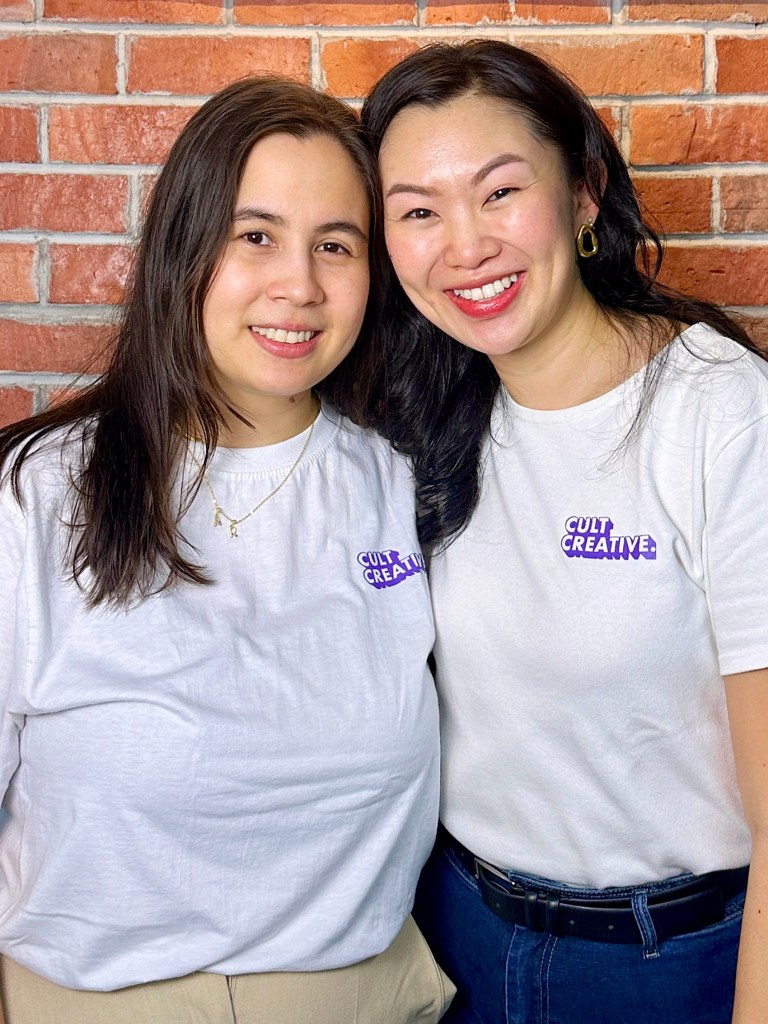
MWAH: So it’s basically brands that want user generated content or creator generated content but don’t have the capacity to do it in-house?
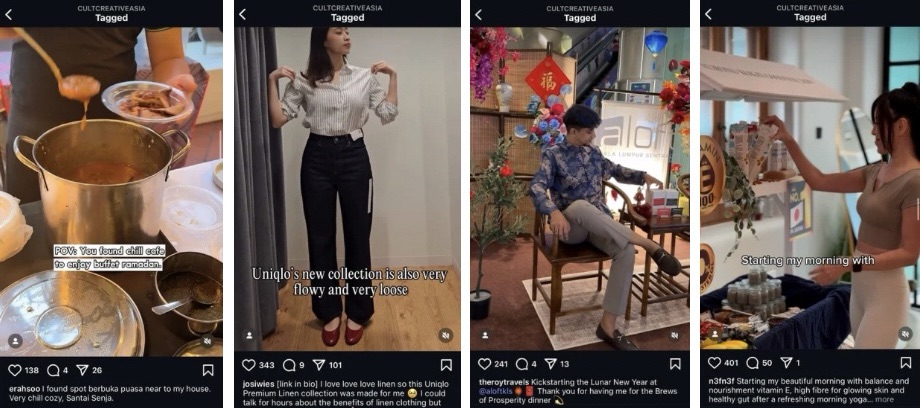
Lina: We actually have different customer personas or client personas. There are the big brand names (Editor’s note: BATA and The Body Shop are some of their corporate clients), and there are the founders that are running a small company and don’t have a marketing team or have a limited budget or maybe don’t even have time to think of ideas or do market research. So with creator generated content, let’s say you have one product to sell and have 5 different creators talking about it – they would each come with different perspectives. They do all the work for you – it’s all done for you!
MWAH: Basically they’re experts, right? As they do this every day. It’s like “This thing, I know how to sell this!”
Lina: Perfect! Exactly! That’s exactly right! So we just basically take care of educating the founder about how it works. Usually their budgets are smaller but they do see the value in creator generated content and they like seeing the content pop up in different places and it’s like social proof, right? So they see that back into their revenue, so they’re happy customers.
But also on the topic of market research – we’ve had clients come in and they do tests – with different focus demographics and see which resonates with which creator and their audience. And they get interesting outcomes. Like (clothing brand) Dressing Paula, they were very “Oh, my intended market is Chinese, working girl” but then they tested plus sized girls, and hijabi girls, and the response was there and they were like “Oh I didn’t know I could market to other audiences” and they just created more lines/collections around that.
So, yes, marketing like this can inform your business decisions. We were surprised as well. Initially we were just focused on how the content would enhance their social media feed with the diversity, like you have this cool girl, or this hijabi, and your page looks nice. But then, what was just supposed to be creator generated content actually turned into market research for the client that informs them on what to design, produce and sell.
MWAH: How does Cult Creative empower women?
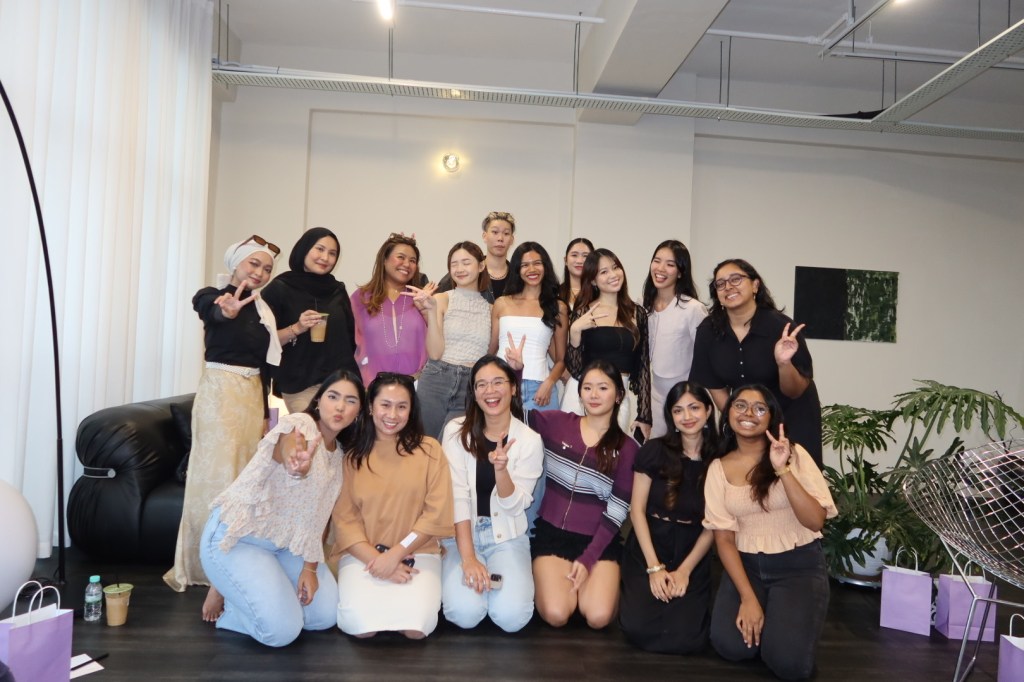
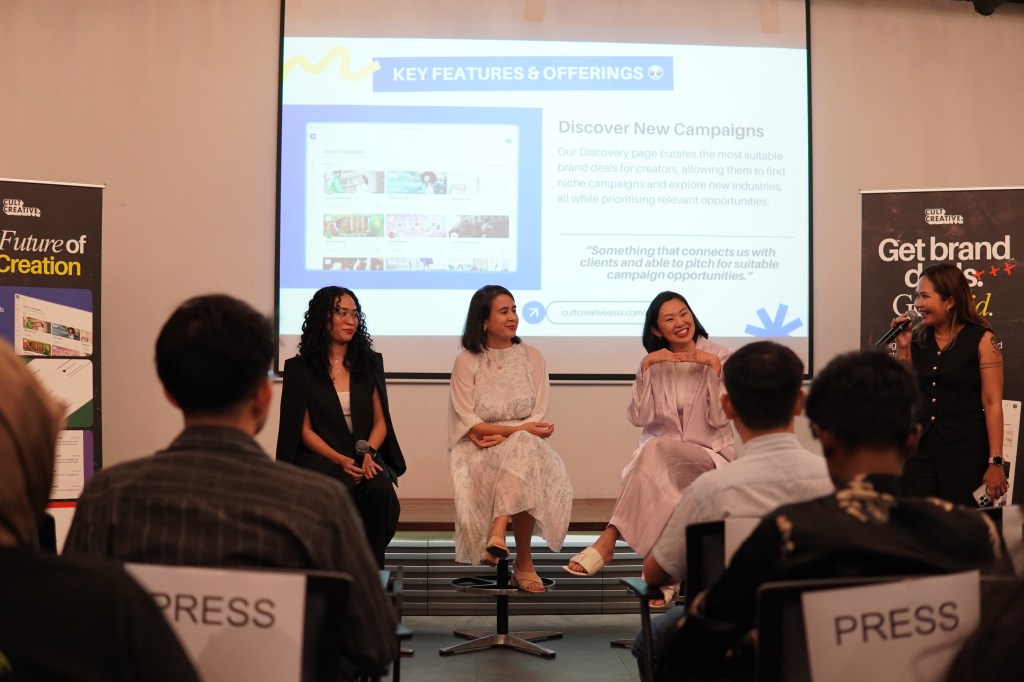
Lina: It enables women to rely on their own income stream from their content quite easily. We have a creator platform, so if you are a creator you can just go in, see all the jobs available and pitch for a job. It’s very easy – everything is in-built. Once you pitch, all you need to do is to create the content, upload it, get it approved, and then post it. After that, you don’t have to chase clients for payments, as we have all your personal details from when you register, so then you’ll get paid within 30 days.
There are different categories of content creators – there are those that make it their business or career, but we also get people who are normies like you and me who create content on the side. So it’s just like another income stream or diversifying their income stream, giving them more pocket money. I mean like you have your salary but you also get a few hundred ringgits on the side just by taking a few hours to do content on the side. So they’re at home and products just get sent to you or sometimes we have jobs to promote a tech service or an app, the creators don’t have to go anywhere.
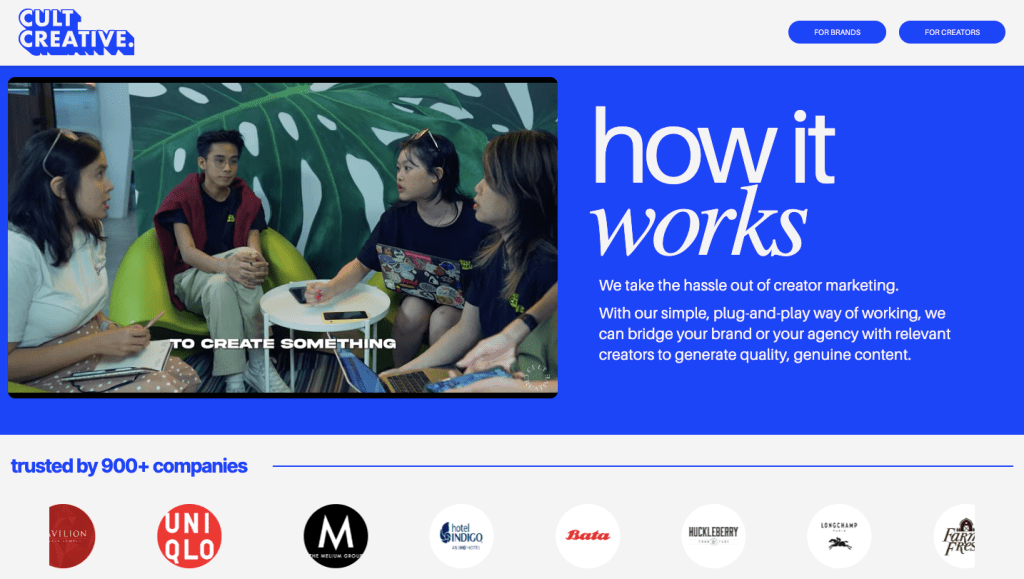
Even the process has been set up and simplified for creators, with an interface that records timelines for each campaign so that creators can see what’s due when and the stage they are at for each job. As the timeline is updated automatically from when a pitch is approved to when a creator uploads their video, until client approval and payment, creators do not have to deal with the administration part of the job. We also have agreements in place that protects both creators and brands to ensure delivery of campaigns and payments.
So you literally focus on building your brand and creating your content.
MWAH: What’s the minimum follower count?
Lina: About 1000-1500 minimum – it’s important to have a few videos on your platform just to show your potential and what you can do. Currently, most of our clients ask for content for TikTok and Instagram.
The regular way is that creators post on their own accounts and tag the client as a collaborator, but sometimes the client will just use the video as their own content on their own account.
MWAH: So how are you guys doing now? Do you have a salary already?
Lina: Yes! Alhamdulillah. So that was a real 180 (degree turn). Since the change in business model, we’ve grown the revenue 3x-4x from 2023 to 2024, and 2x from last year.
MWAH: How did it go from a small startup to this roster of 900 clients and 13,000 creatives?
Lina: This was actually from our previous business model – we had 13,000 downloads and 900 employers came on board but mostly it was just through social media efforts, and there were some tactical things that we did including branding, having a strong brand and we just did online webinars during the pandemic, as well as offline meet-ups when that became possible – they were mostly about topics that would benefit content creators like how to protect their intellectual property (IP) and other creator-related topics. It helped set up Cult Creative as the experts or authority in connecting creators to clients, even without selling to them on signing up with us.
So, it was mostly word of mouth and a strong social media presence. People would come in and subscribe, and they’d get our EDMs (Electronic Direct Mail), and they stayed throughout the whole time. Some joined us in the beginning and are still with us now. And, we still have our job platform, it’s still running there on our website.
MWAH: How did you make the expansion throughout Southeast Asia?
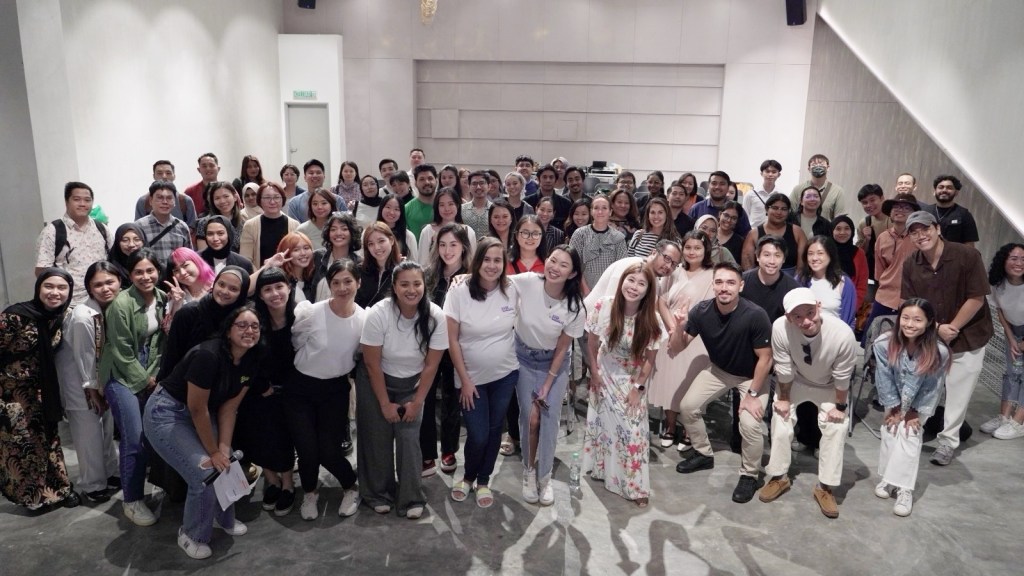
Lina: We were mostly in Kuala Lumpur and the greater Klang Valley in Malaysia, but eventually, I think it was through social media and also through some partnerships, that we started doing some projects in Penang, where we reached out to potential clients, did some roadshows there, spoke to some students and to creatives there.
Shermaine did some visits to Singapore and we had a project that expanded to Indonesia so we had a community lead there where we did similar events and Shermaine ran another session. The expansion there was very fast and we got 1000 sign ups in just a few weeks. We could onboard quite a lot as they were very keen and then could match them to some jobs.
Also, sometimes Singaporean clients will pay for Malaysian or Indonesian faces and then they just use that on their end, as long as the content is good and it doesn’t necessarily depend on the number of followers.
MWAH: Do you work with big name influencers?
Lina: Yes, we have done that if that’s what the client wants, and we’ll contact the influencers.
MWAH: How many permanent/regular staff do you employ now?
Lina: About 20 but I’m not quite updated on the current head count, and this includes our interns as well.
Staying Motivated Amidst Personal Loss
MWAH: One of your partners, Manisha Jagan, unexpectedly passed away from a brain aneurysm that basically came out of nowhere. Her passing must have been devastating, how did you and Shermaine find the strength to move on while grieving?
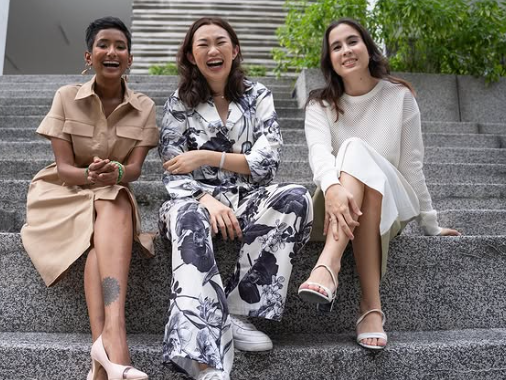
Lina: Manisha was the Chief Marketing Officer and co-founder, and was responsible for the growth and go-to-market at our earlier stages. After we lost her, it wasn’t easy at first but we knew that she would have wanted us to keep going, keep fighting and get stronger and better as founders. In a way she’s our silent ‘motivation’. It helped that our team at the time did get counselling for the team and we did our grieving in the moment, together. We’re in touch with her brother, Parthiben, who is very much still a part of Cult Creative and he keeps the spirit of Manisha living on with his active participation, too.
Manisha pledged to donate her organs and her organs have saved lives, so her spirit lives on, indeed.
MWAH: Other than grief during that time, how do you deal with stress at work on a day-to-day basis? What do you do when you’re overwhelmed with work?
Lina: Don’t get me wrong but honestly it’s good to have perspective. For example, I know people who are surgeons – my kid’s friend’s mom is a brain surgeon, and my best friend’s dad is a heart surgeon – and it puts my stress into perspective. So if there was a problem at work, I go “Did anyone die? Will anyone die because of this?” Usually, the answer is no, of course not. Losing our late co-founder Manisha did put things into perspective for us.
I think failing with our first business model puts into perspective that no matter how deep or dark it gets, you can always find a way. And that it’s not the end. It’s never the end of your story. The lowest point of whatever it is – anything, if it’s work, marriage, kids, parenting, it’s life – it’s not the end of your story. So just bring that perspective and change that stress into healthy stress to see what you can do about it and bounce back.
MWAH: What do you do specifically to de-stress?
Lina: Sometimes it’s just living in your head – we’re all living in our head and it seems bigger than it is. So, sometimes, I go outside, go for a walk – it’s about changing that energy, and changing that flow. Some people recommend grounding yourself, which I don’t do but they say it’s helpful. I used to do this daily routine where I always go for a walk to destress, but if it’s too much just do something else – go see friends or go grab a bite, and then come back to eat. Sometimes you come back and you realise it wasn’t that big of a problem.
MWAH: And how do you separate work and personal life, being business owners who basically function like freelancers?
Lina: It’s hard because it’s a part of your identity and your thing. Sometimes, what I do is I just consciously remove roles and titles of myself, like right now I’m not a mom at work. Just remove that and just be you.
I find that it helps when switching, like “Ok, Work-Me needs this” or “Mummy-Me needs this.” So by removing other titles, it helps drive (the current task).
MWAH: Do you just do whatever that needs to be done at any time, or do you have a cutoff time like stopping work at 6pm or whatever time, for example?
Lina: I don’t have a cutoff time, and the phone is always there, right? It’s just taking steps that are necessary. I think it’s still important to me (after hours) because the business is a part of my life and it’s not like a bad thing as I do enjoy my work. And I don’t have to do it if it’s not urgent. Just go with the flow.
MWAH: How do you stay motivated?
Lina: We have investors to answer to, and I have Shermaine. We all keep each other company so that’s the motivation. We also have a set of goals called OKRs – Objective Key Results. So you put in efforts to achieve the larger objective. For example you have a goal, like “Okay, I really need to make sure that we have X content in this month…” so that keeps you on your toes as you think about what to do to achieve the goal. Which lever do I pull? When do I step on the gas? Do whatever is needed. The OKRs keep us very motivated and having a partner is definitely a good outlet because you can bounce ideas off each other, share solutions, and keep each other accountable.
MWAH: Have you always operated like this throughout your career?
Lina: No, we went through mentoring with our investors, and have business coaches as well. We also joined some programs where we had mentorship. So we used to have meetings with our investors to update them, but now Shermain updates them via email to just keep them in the loop. We’re at a stage where we’re not just starting out, it’s been five years, we should know what we’re doing, but I am looking forward to more mentoring. We’re meeting up with some people that can help us grow. I should go out to more networking events but I am really an introvert, but I have to just commit to the effort.
MWAH: What are your hopes and dreams for the future for Cult Creative?
Lina: For us to do this and be recognised as a well-known, well-loved and established creator generated content ecosystem and be the first and foremost in South East Asia, or at least this region.
To be recognised that we built something that works – that we had figured out, tested and iterated, to be known for being a tech and creator economy platform, which is something that I never imagined, being from publishing.
To be known as a compassionate leader, someone that people want to work with and have good experiences from it. To look like we know our stuff, we believe in ourselves and we can take others on this journey as long as they trust us. Just to be like a “Leader To Watch” or a “Leader To Know” to work towards. Wow, that’s a question that I haven’t answered in a while!
Sometimes we get feedback from creatives who say things like “I got a job through you and it changed my life,” or “I’m getting so many jobs through the platform” and that actually gave the affirmation that okay, it’s all working.
Sometimes we get feedback from creatives who say things like “I got a job through you and it changed my life”… and that gave the affirmation that okay, it’s all working.




 Malaysian Women's Aspiration Hub