
Contrary to popular belief, fresh graduates or young executives are not the only ones who need to stock up on job interview tips when applying for an open position. As apparent these days, different companies have different work cultures and so most hiring managers look for candidates who are not only perfect on paper but who also appear to be the best fit for their organisation. Thus, even experienced individuals looking to transition to a better job at a different company can benefit from job interview tips and tricks to be better prepared for the meeting with future employers and ensure they present the best version of themselves.

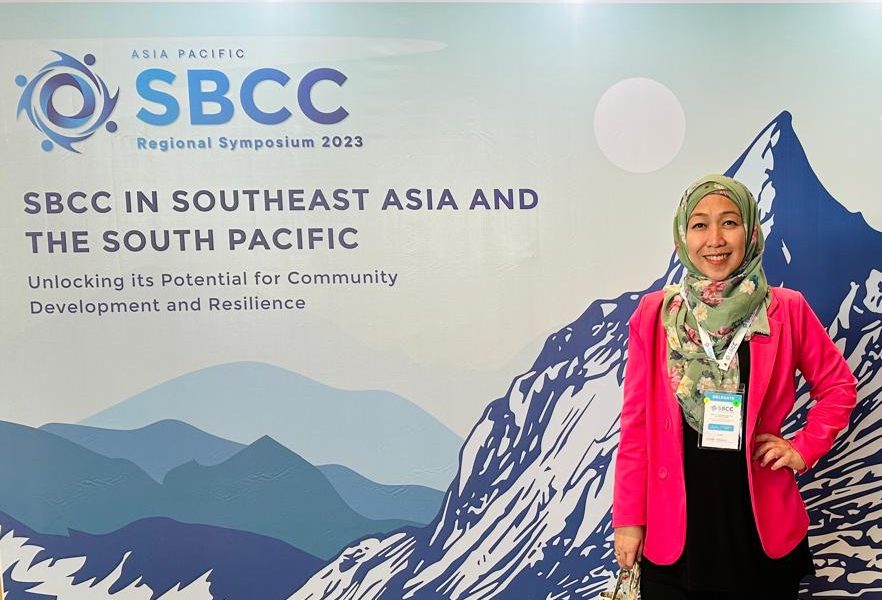
To get an insight on how hiring managers think, ask questions and process responses, we asked Sheemi Mayanti Abdul Jalil, Director of Strategic Comms and Programme Director of Community Investments & Environment at Axiata Foundation to share with us some insider intel on what ticks interviewers and how a candidate can increase their chances of being hired. In her role, Sheemi provides leadership, direction, and expertise in the development and implementation of integrated communications strategies such as public relations (PR), branding and stakeholder engagement that further the strategic objectives, plans and vision of Axiata Foundation. She also oversees the project management team of the two pillars in the Foundation, which are Community Investments and Environment.
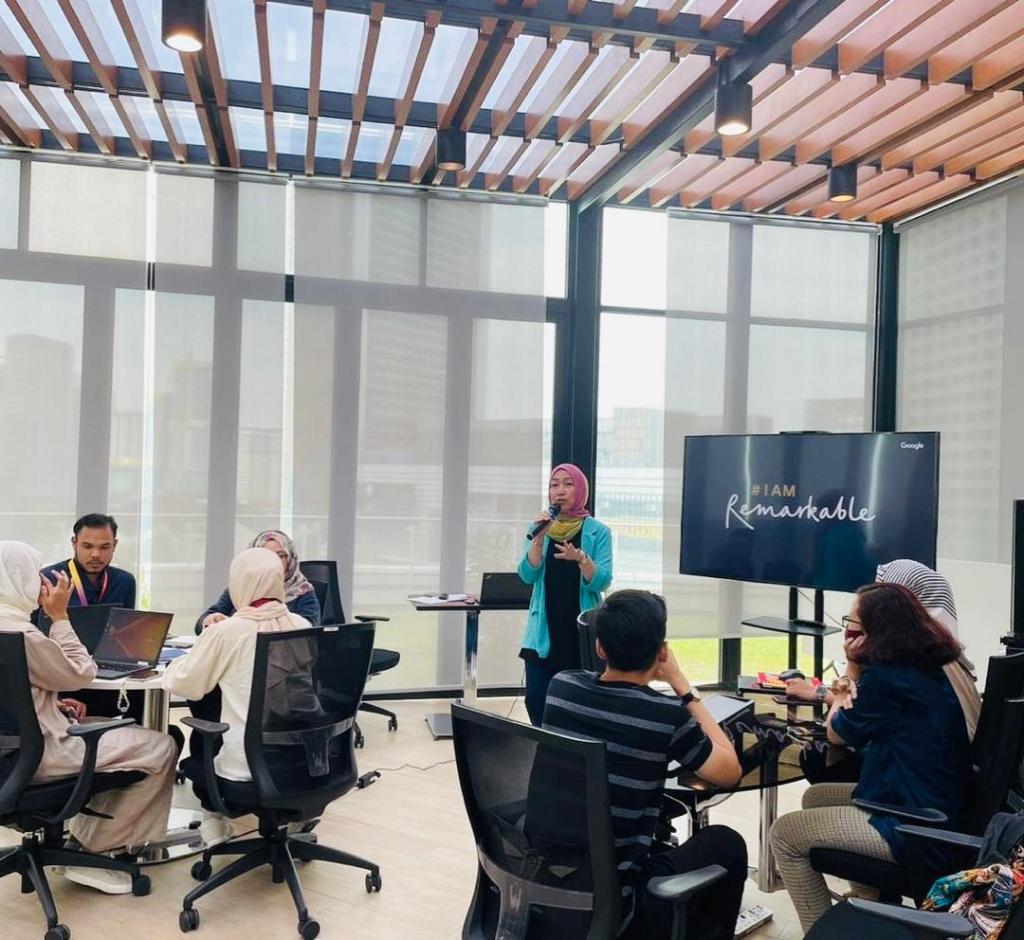
Sheemi conducted an online sharing session recently, titled ‘Navigating Job Interviews: Insider Tips & Tricks’, and here she expands on some of the points that were highlighted during the session.
MWAH: Soft skills are what employers look for. Why is this important? What about actual qualifications?
Sheemi Mayanti: Soft skills have become a major focus for employers, and there’s a good reason for that. When I’ve interviewed candidates over the years, I’ve often found that technical qualifications will get someone in the door, but it’s their soft skills that make them truly stand out and succeed long-term. You can teach someone how to use a tool or follow a process, but you can’t easily teach things like adaptability, communication, or emotional intelligence. These skills help people navigate change, collaborate effectively, and handle conflict.
Employers are looking for people who can not only do the job but can also work well with others, manage stress, and stay motivated. In a lot of cases, someone with slightly less experience but excellent soft skills can outperform someone with stellar qualifications but poor communication or problem-solving abilities.
Now, don’t get me wrong—actual qualifications still matter, of course. You need a certain level of expertise to perform the core duties of any job. But what employers realise is that soft skills make you adaptable and help you thrive in different work environments. It’s about building relationships, showing initiative, and having the emotional intelligence to lead or collaborate effectively. In many ways, it’s the balance of hard skills and soft skills that really drives career success.
MWAH: In your online sharing session, you mentioned red and green flags for interviewers. Could you list out some?

SM: Sure. Some of the red flags we look out for and why it’s a red flag:
- Lack of Preparation: If a candidate hasn’t done their homework about the company or can’t explain how their skills match the job, it shows a lack of initiative and interest.
- Inconsistent Career Story: If their resume doesn’t align with what they’re saying in the interview, or they struggle to explain gaps or job changes, that’s something to dig deeper into.
- Negative Attitude: When a candidate badmouths their previous employers or coworkers, it signals a potential issue with professionalism or attitude
Meanwhile, some green flags and why they are positives:
- Preparedness and Research: When a candidate has clearly researched the company, the role, and even the people they’re meeting, it shows real interest and effort.
- Positive Energy and Enthusiasm: Someone who is genuinely enthusiastic about the opportunity and eager to share why they’re a great fit always stands out – you can feel their aura or vibe ☺
- Clear and Relevant Examples: Candidates who are able to provide specific, detailed examples of how they’ve solved problems or contributed to teams show they know how to apply their skills in the real world.
- Adaptability and Problem-Solving: When a candidate can talk about how they’ve adapted to changes or overcome obstacles, it shows resilience and agility—both key in today’s fast-paced work environment.
- Good Questions: Candidates who ask thoughtful questions about the role, team, or company culture show they’re thinking critically about whether this is the right fit for them, too. It shows mutual interest and respect.

MWAH: You shared some hacks that could help a candidate ace the interview, including:
– Using Google Alerts as a reminder to prepare for the interview day
– Searching social media for more information about the company a candidate is interviewing at
– Practicing with mock interviews
– Preparing a “cheat sheet” to help prompt you when giving answers or asking questions
– Preparing your 30-day, 60-day and 90-day work plan to show employers how you plan to excel at your job
and also to schedule the interview as early as possible in the day, if given the option.
You also recommended that interview candidates test run the outfit they’ll be wearing on the day. Why is this important?

SM: If you don’t feel comfortable in what you’re wearing—whether it’s because of fit, fabric, or style—it will likely show in your body language. A test run allows you to spot anything that feels off so you can adjust before the big day. It also helps catch any issues that could distract you during the interview. For example, checking if shoes pinch, if a top wrinkles easily, or if your outfit limits your range of movement.
When it comes to choosing the best colours for female candidates during an interview, the goal is to project confidence, professionalism, and approachability. Navy blue is a classic choice that conveys confidence, trustworthiness, and professionalism. Meanwhile, red is more intense and can come across as overly assertive or even aggressive in an interview setting. If you still prefer something from the red family, opt for deeper shades like burgundy or maroon. Avoid bright neon colours and overly bold patterns or prints.
MWAH: You also shared that candidates should time their arrival at the company’s lobby to be early, but not too early. Could you elaborate on that?
SM: Arriving too early (say, 30 minutes or more) can actually be inconvenient for the interviewer. They may not be ready for the candidate yet, or it might create pressure for them to adjust their schedule. It can disrupt interviewer’s routine or make them feel rushed. It can also be awkward for the candidate, who might end up sitting in the waiting area for a long time, feeling nervous or out of place.
Being too early can also make candidates appear overly anxious or desperate. While enthusiasm is great, you don’t want to give the impression that you’re overly eager or not respecting the scheduled time. So, 10-15 minutes is just right—early enough to be punctual and prepared, but not so early that it creates discomfort for either you or the interviewer. It demonstrates you’re organised, respectful, and mindful of everyone’s time.
I may have to rely on instinct and understanding my team’s dynamics
to determine if a candidate is a good fit.
MWAH: If ever, there came in a candidate that was perfect on paper, gave all the right answers, was the best candidate for the job and basically was cordially polite, but lacking warmth – perhaps your concern might be that this person may not be a team player. Would you still hire someone like this? Why?
SM: Ooh this a tough one. If my team and I will be working with this person and dealing with hi or her every day, I will have to give it more thought. Would this person “vibe” with the team? Will there be any issues down the road in terms of working together and achieving desired goals, due to the lack of warmth?
In this sense, I may have to rely on instinct and understanding my team’s dynamics to determine if this candidate is a good fit. I believe that years of experience managing teams and working with diverse groups of people have enhanced my “radar” in sensing whether there’s something “off” about a person. If the repercussions are minor and can be addressed by constructive feedback (which is why I prefer candidates who demonstrate genuine willingness to learn/have good EQ), and getting to know each other better, I will go ahead and hire the candidate.
Sometimes high-performing talents take a bit more time to warm up while the limited time during an interview may not provide the opportunity for an interviewer to fully assess a candidate’s potential. This should not be a main factor in dismissing a possible gem. It’s now up to the hiring manager/supervisor to polish a diamond in the rough.

MWAH: So how does a candidate connect with the interviewer without seeming too eager to impress?
SM: When you first meet whoever is interviewing you, get them to talk about anything except the interview. Use those first moments to build a rapport. Compliment the interviewer on his/her outfit maybe, or the beautiful office (or if you’ve “stalked” their profile, mention something relatable to them like travelling or coffee joints – if you know they like coffee).
Hiring managers are potentially interviewing hundreds of people, and the ones they’ll remember are the ones that stand out for the right reasons. People want to work with people they connect with, and by taking just a moment to talk about something other than your potential job, you’re helping show that you have a high emotional quotient (EQ), are friendly and empathetic, and even a fascinating person.
MWAH: In your only sharing session on job interview tips, you mentioned a hack called “Be A Copycat”. Please elaborate more on this hack during an interview.
SM: It’s been psychologically proven time and time again that people respond better to individuals they feel they are in “sync” with (like having good chemistry with someone). The best way to help drive that home is to subtly mirror your interviewer’s nonverbal gestures and body language, like eye contact, facial expressions, and posture—to create a sense of connection between you. The keyword is: subtle. If too obvious, it might come off as creepy! It’s also called the mirroring technique. Mirroring in communication can help achieve rapport with someone you’re talking to, show that you’re paying attention, and generally make the conversation more pleasant for everyone involved.
MWAH: You mentioned that candidates should prepare some of their own questions to show that they are genuinely interested in the job. What kind of questions are appropriate?
SM: Here’s a brief cheat sheet on that:
- Does the company have any programs in place to ensure new hires succeed?
- Can you walk me through a typical day here at Company X?
- Will I be working with a team, and if I am, can you tell me a little about each of them?
- Can you tell me about my direct supervisor? Is there anything I should know about working with them that will make my integration a smooth process?
- What steps does the company take to support communication and avoid information silos?
- What do you love the most about working here?
- How would you describe the working environment here? Is it more of a collaborative style, or are employees more independent?
- What gets you excited about the company’s future?
- What are the next steps in the interview process?
- If you could give the new hire one piece of advice, what would it be and why?
MWAH: And are there any stupid questions?
SM: I wouldn’t say stupid but there are questions that interviewers may perceive as premature or inappropriate, hence reflecting or painting a negative impression about the candidate’s mindset or attitude. No-nos are questions like:
- What does this company do? (This shows that you did not do your research)
- Are there any other jobs open?
- When can I expect promotion/bonus?
- What’s the worst thing about working here?

MWAH: You shared some “After The Interview” tips in your online session, which is to “Follow up before you leave,” “Send a Thank You note,” and to “Work your networking magic.” Do these really help, and how?
SM: To follow up before you leave at the end of your interview, reinforce the idea that you’re interested in the job. Wrap up with a phrase like, “I’m really looking forward to an opportunity to be a part of such a dynamic company, and I really hope you select me.”

Then, make it a point to send a Thank You note 24 hours after the interview (not more than 48 hours). A good rule of thumb is to keep it to just three paragraphs. If you have anyone in your network who may positively influence the process, ask them to put in a good word for you with the hiring manager.
SM: These “After The Interview” tips help because they reflect your eagerness and enthusiasm, show that you are willing to go the extra mile, help you make a lasting impression, stand out from the crowd and, ultimately, get the role that you want.
For me, it’s pretty straightforward. If you desire something so much, you will go to extreme lengths to achieve it. Have the satisfaction that you have truly given your best shot, let go and let God. And to quote Chris Grosser – “Opportunities don’t happen. You create them.” (Chris Grosser famously pioneered the freelancing platform Upwork and the cloud computing company Digital Ocean. He did not wait for opportunities, but actively created them based on solving problems and improving lives.)
MWAH: How do we strike that balance between following up after an interview versus being too pushy?
SM: The fastest way to lose a potential job is to become annoying or appear overeager, manic, or desperate. After sending a thank you note, just assume that your contact with the company is done for now.
If you’ve wrapped up your interview with the appropriate questions, you will know when they should be reaching out to you. You may contact the employer once that date has passed – if you contact the company before that date, you can come off as a pest, entitled, or annoying.
Dear interviewers, we have some job interview tips for you, too
MWAH: On the interviewer side, why is it important for the interviewer or hiring manager to help the candidate relax?
SM: An interview shouldn’t be seen as an opportunity to intimidate or torture the candidate. Anxiety can cause people to behave in ways that are out of character, and you could be losing out on great talents thanks to nerves. It’s a good idea to help put candidates at ease so that they can relax and show their true selves. My advice to interviewers – Invest time in creating a safe interview environment, this helps you find the perfect/right candidate for the role. Work with the candidate to help them demonstrate their best knowledge and expertise. Show humility and that you have a high EQ (emotional intelligence). Don’t just read off a script or recite previously prepared interview questions word-for-word. Listen genuinely to the candidate. Make the interview feel like a conversation, and not an interrogation.
MWAH: Please explain why you throw out the unique, weird or unexpected interview questions? Some of the questions that you shared are like “What is your spirit animal, and why?” “How would you describe the colour blue to a blind person?” and “If you were a kitchen appliance, which one would you be?”
SM: I ask these questions as I’d want to assess a candidate’s thought process, see how a candidate answers them authentically, and reveal their truer self, personality and values (instead of responding with a prepared or scripted answer). The questions also help me to see whether a candidate is a natural fit for the role/team/company. Hiring the right candidate involves gut feel or instinct, and asking a “weird” question or two plays into forming that gut feel.
MWAH: “Fire fast, hire slow” – Do you believe in this?
SM: Yes. I know of companies that prioritise speed and succumb to pressure of high growth and they rush into hiring (like, quick we need to fill up this role now!) Hiring should be a careful, conscientious process. Of course speed is essential, but I’d rather take it slow and find the right fit than hire the wrong person or someone who doesn’t fit with the dynamics of the team. It’s disruptive, and wastes resources. It’s also like that proverb “more haste, less speed”. Doing something hastily might prove to be useless in the end. So, in terms of hiring, it’s not considerate to keep one person — but make their whole team struggle as a result. We need teams in which everyone can trust each other to do a great job. In the competitive marketplace, a cohesive, talented team is a necessity.
Sheemi regularly holds online sharing sessions on job interview tips, sometimes joined in by other hiring managers who may also share their insights (as well as questions and concerns) to help interview candidates be better prepared before an interview. Sign up for Sheemi’s next session of ‘Navigating Job Interviews: Insider Tips & Tricks’ here.


 Malaysian Women's Aspiration Hub